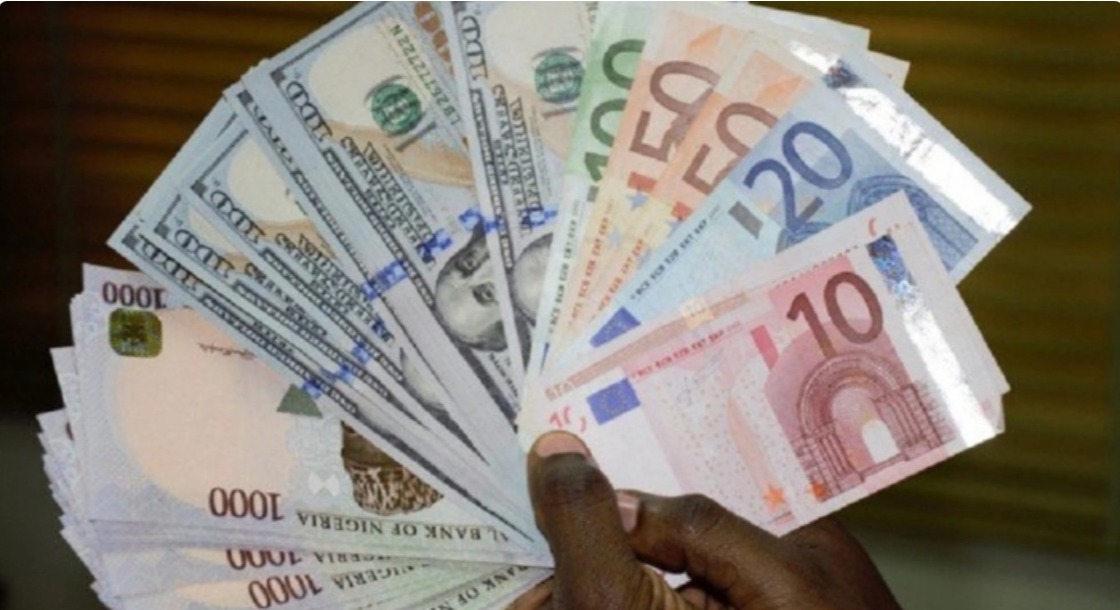
The Nigerian naira strengthened significantly against the British pound on Monday, trading at ₦1,814/£ in the official foreign exchange market—its strongest performance against the pound in July. The local currency has continued to recover this year after ending last year at about ₦1,950/£, reflecting steady gains in the foreign exchange market.
The naira’s improvement has been supported by ongoing foreign exchange reforms introduced by the Central Bank of Nigeria (CBN). Efforts to clear outstanding FX obligations, maintain high interest rates, and increase dollar supply through market interventions have helped narrow the gap between the official and parallel market exchange rates while boosting investor confidence.
Nigeria’s foreign exchange position has also benefited from improved crude oil production, favourable global oil prices, and increased foreign inflows. These developments have strengthened market liquidity and external reserves, providing additional support for the naira despite continued demand for foreign currencies driven by imports, international trade, and external debt repayments.
Meanwhile, the Bank of England has maintained its benchmark interest rate at 3.75% due to persistent inflation and strong wage growth in the United Kingdom. The higher interest rate has continued to support the value of the British pound against several major global currencies.
The pound remained around $1.3290 in early Tuesday trading as investors awaited the US Federal Reserve’s latest monetary policy decision. Market participants are also closely watching upcoming UK retail sales data, with stronger-than-expected figures likely to reinforce expectations that the Bank of England will maintain a tight monetary policy, or even consider further rate increases before the end of 2026.
