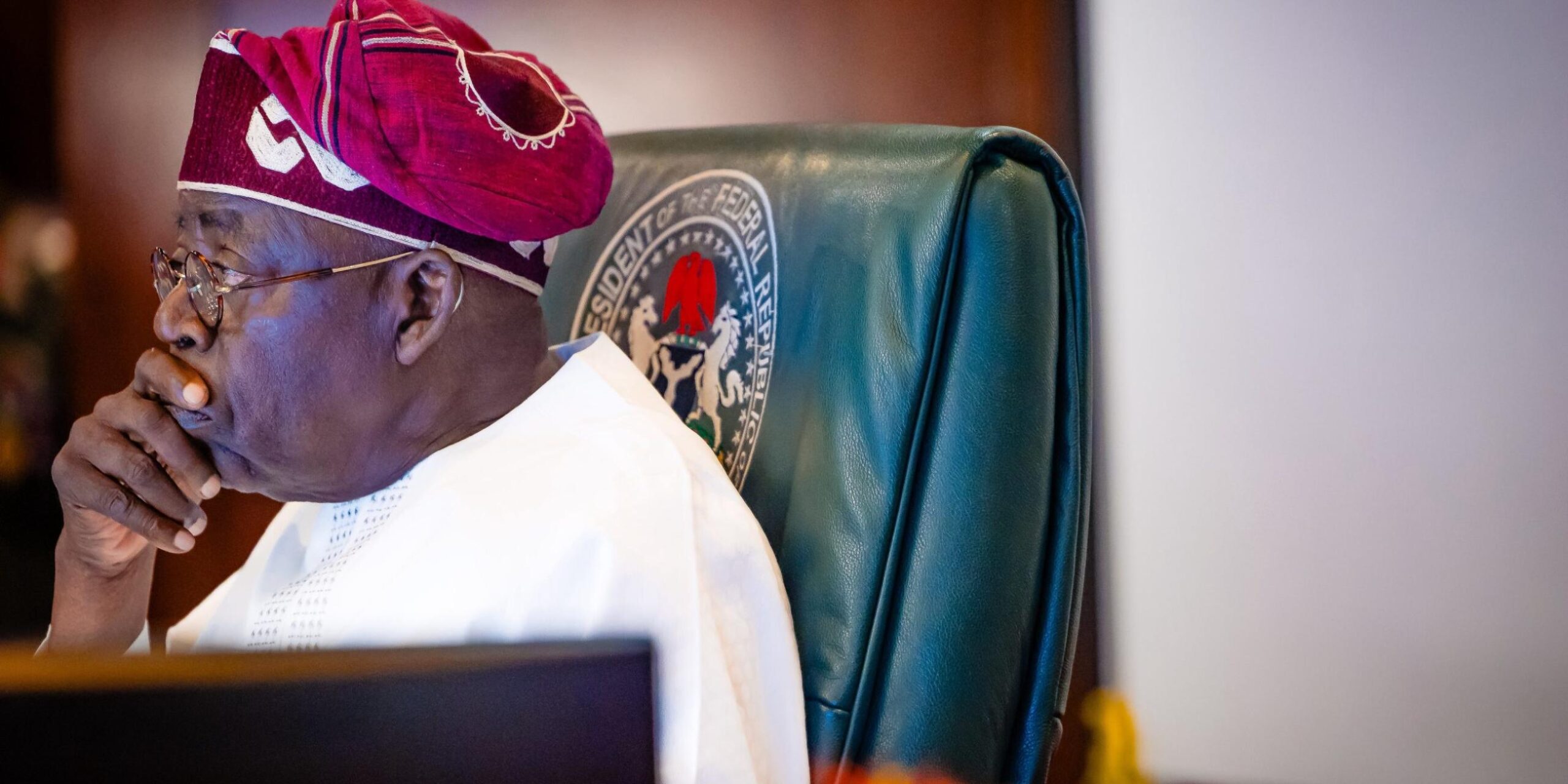
American journalist and transparency activist, Aron Greenspan, has revealed that he has identified at least three separate U.S. legal cases connected to a drug-trafficking network allegedly investigated by American authorities in the 1990s, including matters involving President Bola Ahmed Tinubu and Nigerian businessman Abiodun Agbele.
Speaking during an interview with journalist Laolu Akande, Greenspan said his ongoing Freedom of Information Act (FOIA) lawsuit has uncovered records tied to multiple cases linked to the investigation.
According to him, the three known cases include a set of criminal indictments from 1992 involving members of an alleged drug network, a separate criminal case involving Agbele, and the 1993 civil forfeiture proceeding through which U.S. authorities seized about $460,000 from an account held in Tinubu’s name.
Greenspan, however, went a step further by suggesting that there could be a fourth case involving Tinubu himself, possibly a criminal indictment filed under seal.
“There could be a fourth. There could be a criminal indictment of Bola Tinubu as well, and that’s what we’re trying to find out,” he said.
He was quick to clarify that he currently has no evidence proving such an indictment exists.
“I don’t have any evidence that such a deal had been made, to be very clear. That remains an open question right now,” he added.
According to Greenspan, the possibility arose because some of the historical records contain extensive details about Tinubu, including information relating to bank accounts, his wife, his mother, and even a vehicle allegedly connected to the investigation.
He argued that the level of detail contained in the records raises questions about why no known criminal prosecution followed.
Greenspan also claimed that Agbele was connected to the same investigation and described him as a relative of a Chicago-based figure allegedly involved in facilitating heroin distribution from Asia through Nigeria.
He further alleged that Tinubu’s connection to the investigation was financial in nature rather than direct involvement in drug distribution, claiming investigators suspected money laundering linked to proceeds from heroin trafficking.
One of the key matters under discussion remains the 1993 civil forfeiture case in which approximately $460,000 linked to Tinubu was forfeited to the U.S. government. Court records reportedly described the funds as proceeds of narcotics trafficking or funds involved in prohibited transactions.
However, it is important to note that the forfeiture case was a civil proceeding and not a criminal conviction.
The Nigerian Presidency has repeatedly maintained that the U.S. court matter is a records-access dispute and not a criminal case against President Tinubu. Presidential spokesman Bayo Onanuga has also stated that no U.S. court found the president guilty of any criminal offence.
Greenspan’s FOIA lawsuit continues in a U.S. District Court as he seeks the release of additional FBI and DEA records relating to the decades-old investigation.
What do you think? Should all the records be fully released to put the matter to rest? Leave your thoughts in the comment section.
Source: Sahara Reporters
